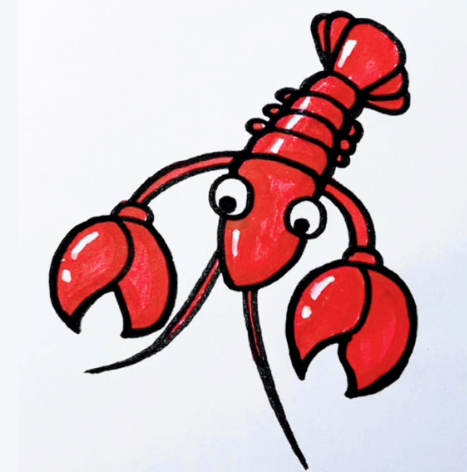
The AI Claw agent ecosystem has exploded since OpenClaw launched in November 2025. What started as one open-source project has spawned 65+ variants, each targeting different use cases, platforms, and user profiles. This guide is your definitive reference for understanding, comparing, and choosing the right Claw agent in 2026.
What Is a Claw Agent?
A Claw is a locally-run or cloud-hosted personal AI assistant framework that can operate 24/7, connect to messaging platforms (WeChat, Telegram, Discord, etc.), and perform autonomous tasks. Unlike traditional chatbots that only respond when prompted, Claw agents can:
- Run continuously in the background
- Execute multi-step tasks autonomously
- Connect to external services and APIs
- Maintain persistent memory across sessions
- Coordinate multiple AI models simultaneously
The name "Claw" originates from OpenClaw's crab-like logo, and the community has adopted it as the umbrella term for this category of AI agents.
The Ecosystem at a Glance
The 65+ Claw agents can be organized into five categories:
1. Core Frameworks (Open Source)
The foundation of the ecosystem. These are the frameworks that others build upon.
| Agent | Stars | Language | RAM | Best For |
|---|---|---|---|---|
| OpenClaw | 364k+ | TypeScript | 2GB+ | Maximum ecosystem and flexibility |
| Hermes Agent | 95.6k+ | TypeScript | 2GB+ | Self-improving agents with learning loops |
| NanoClaw | 17k+ | TypeScript | 512MB+ | Security-first deployments |
| ZeroClaw | 7.6k+ | Rust | <5MB | IoT and embedded devices |
| ChatGPT-on-WeChat | 18.5k+ | Python | 512MB+ | Simple WeChat bots |
| Moltis | Growing | TypeScript | 2GB+ | Multi-agent coordination |
| CoPaw | 2.4k+ | Python | 1GB+ | Alibaba ecosystem (DingTalk/Feishu) |
2. Chinese Tech Giants
Major Chinese technology companies have launched their own Claw agents, each leveraging proprietary AI models and platform integrations.
| Agent | Company | Model | Price | Key Feature |
|---|---|---|---|---|
| QClaw | Tencent | DeepSeek-V4 Pro / Hy3 | Free (beta) | Native WeChat/QQ integration |
| Kimi Claw | Moonshot | K2.6 | $39/month | 200K+ token context, 300 sub-agents |
| MaxClaw | MiniMax | M2.7 (229B MoE) | 39 yuan/month | 50GB cloud storage |
| AutoClaw | Zhipu AI | GLM-5.1 | 29 yuan/month | One-click install, 50+ pre-built skills |
| CoPaw | Alibaba | Tongyi Qianwen | Free (open source) | Broadest IM platform support |
| DeskClaw | NoDesk AI | Multi-model | Subscription | Desktop pet interface |
| Tencent Lobster Steward | Tencent | Proprietary | TBD | Enterprise WeChat automation |
3. Lightweight and Specialized
Purpose-built for specific environments or use cases.
| Agent | Focus | Size | Key Differentiator |
|---|---|---|---|
| PicoClaw | Ultra-lightweight | <10MB RAM | Runs on microcontrollers |
| MicroClaw | Minimal | Single binary | Zero dependencies |
| ZeroClaw | Rust + security | 3.4MB binary | Memory-safe Rust implementation |
| NanoClaw | Security | ~4000 lines | Container isolation |
| FreeClaw | Free tier | Varies | Zero-cost AI automation |
| SafeClaw | Security audit | Varies | Built-in vulnerability scanning |
| IronClaw | WASM sandbox | Varies | WebAssembly isolation |
4. Multi-Agent and Orchestration
Frameworks designed for coordinating multiple AI agents working together.
| Agent | Approach | Max Agents | Key Feature |
|---|---|---|---|
| Moltis | Task decomposition | 10+ | Automatic task splitting |
| ClawSwarm | Swarm intelligence | 50+ | Distributed agent coordination |
| OpenCrew | Crew-based | 20+ | Role-based agent teams |
| OpenLegion | Legion model | 100+ | Massive parallel execution |
| Agency Agents | Agency framework | 15+ | Business process automation |
5. Platform-Specific
Built for specific operating systems or hardware.
| Agent | Platform | Key Feature |
|---|---|---|
| BotDrop Android | Android | Mobile-first AI agent |
| DroidClaw | Android | Native Android integration |
| OpenClaw Termux | Android (Termux) | Run OpenClaw on Android |
| PicoBot | Embedded | Microcontroller support |
| LobsterAI | Cross-platform | Universal compatibility |
How to Choose: Decision Framework
Choosing the right Claw agent depends on five factors. Work through them in order:
Factor 1: Technical Skill Level
Non-technical user → Choose a one-click installer or cloud service:
- QClaw (one-click, free)
- MaxClaw (cloud, 39 yuan/month)
- Kimi Claw (cloud, $39/month)
- AutoClaw (one-click, 29 yuan/month)
Developer → Any framework works. Consider:
- OpenClaw (maximum flexibility)
- NanoClaw (security-focused)
- Hermes Agent (self-improving)
Embedded systems engineer → Only one option:
- ZeroClaw (Rust, <5MB RAM)
- PicoClaw (microcontroller support)
Factor 2: Platform Requirements
| Platform | Best Options |
|---|---|
| WeChat (personal) | QClaw (native), OpenClaw (plugin, risky) |
| QClaw (native only) | |
| QClaw (native), NanoClaw (native), OpenClaw (plugin) | |
| Telegram | OpenClaw (native), QClaw (native), most agents |
| Discord | OpenClaw (native), QClaw (native), most agents |
| Slack | OpenClaw (native), QClaw (native) |
| Feishu / Lark | AutoClaw (native), DeskClaw (native), CoPaw (native) |
| DingTalk | CoPaw (native), DeskClaw (native) |
| Enterprise WeChat | QClaw, Kimi Claw, Tencent Lobster Steward |
| Signal | NanoClaw (native), QClaw (native) |
| iMessage | CoPaw (native), QClaw (native) |
Factor 3: Budget
| Budget | Options |
|---|---|
| $0 (free) | OpenClaw, NanoClaw, ZeroClaw, QClaw (beta), CoPaw, ChatGPT-on-WeChat |
| $5-20/month | OpenClaw + API costs, NanoClaw + API costs |
| $29-39/month | AutoClaw (29 yuan), MaxClaw (39 yuan), Kimi Claw ($39) |
| Enterprise | QClaw Enterprise, Kimi Claw Enterprise (199 yuan/month), DeskClaw Enterprise |
Note: Open-source frameworks are free but require AI model API costs ($5-50/month depending on usage).
Factor 4: Security Requirements
| Security Level | Recommendation |
|---|---|
| Maximum | ZeroClaw (Rust sandbox), IronClaw (WASM sandbox) |
| High | NanoClaw (container isolation) |
| Standard | OpenClaw (with Docker) |
| Cloud-managed | Kimi Claw, MaxClaw (provider-managed security) |
Factor 5: Ecosystem Needs
If you need pre-built integrations and skills:
- OpenClaw: 13,729+ skills (largest ecosystem)
- Hermes Agent: 118 bundled skills + OpenClaw compatibility
- QClaw: 100+ expert marketplace
- Kimi Claw: 5,000+ pre-integrated skills
The Top 10 Claw Agents: Detailed Rankings
1. OpenClaw — The Ecosystem King
Overall Rating: 4.5/5
Best For: Developers who want maximum flexibility and the largest community
OpenClaw is the original and most popular Claw framework with 364k+ GitHub stars. Its ecosystem of 13,729+ skills, support for every major AI model, and integration with every major messaging platform make it the default choice for developers.
The trade-off is complexity. Setup requires Node.js v22+, Docker knowledge for security, and manual configuration of API keys and platform connections. The 341+ malicious skills incident in February 2026 highlighted the security risks of its open ecosystem.
Start here if: You are a developer who wants full control and doesn't mind technical setup.
2. QClaw — The WeChat Champion
Overall Rating: 4.5/5
Best For: WeChat and QQ users who want native integration without technical hassle
QClaw is the only Claw agent with native WeChat and QQ integration, backed by Tencent. One-click installation means you can be up and running in under 5 minutes. The international version (launched April 21, 2026) adds WhatsApp, Telegram, Discord, Slack, Signal, and iMessage support.
The Hermes Agent kernel integration (v0.2.14+) brings self-improving capabilities, and the expert marketplace provides 100+ specialized AI experts.
Start here if: You need WeChat/QQ integration or want the easiest setup experience.
3. Hermes Agent — The Self-Improver
Overall Rating: 4/5
Best For: Users who want an AI agent that learns and improves over time
Hermes Agent's unique learning loop extracts reusable skills from every interaction. Over time, your agent becomes more capable without manual skill installation. The 5-stage skill extraction pipeline and persistent memory system set it apart from static frameworks.
With 95.6k+ GitHub stars and compatibility with the OpenClaw ecosystem, it offers a good balance of innovation and ecosystem access.
Start here if: You want a long-term AI companion that gets better with use.
Read full Hermes Agent review →
4. NanoClaw — The Security Guardian
Overall Rating: 4/5
Best For: Security-conscious users and enterprise deployments
NanoClaw's container isolation model provides significantly better security than vanilla OpenClaw. The smaller codebase (~4,000 lines) is easier to audit, and Docker-native deployment limits the blast radius of any security incident.
Start here if: Security is your top priority.
5. AutoClaw — The One-Click Desktop Agent
Overall Rating: 4/5
Best For: Non-technical Chinese users who want a desktop AI agent
AutoClaw from Zhipu AI offers the easiest setup of any desktop Claw agent: download installer, double-click, done. 50+ pre-built skills work out of the box. Deep Feishu integration makes it ideal for Chinese workplace environments.
Start here if: You want a desktop AI agent without any technical setup.
6. MaxClaw — The Cloud Powerhouse
Overall Rating: 3.5/5
Best For: Users who want cloud-hosted AI with maximum storage
MaxClaw's 50GB cloud storage (the largest among Claw agents) and M2.7 model (229B parameters) make it a strong cloud-based option. At 39 yuan/month, it offers good value for users who need always-on cloud AI.
Start here if: You want cloud-based AI with generous storage.
7. ZeroClaw — The Minimalist
Overall Rating: 4/5
Best For: Edge computing, IoT, resource-constrained environments
A 3.4MB Rust binary using <5MB RAM. ZeroClaw runs on hardware that no other Claw agent can: Raspberry Pi, RISC-V boards, embedded systems. If your hardware budget is $10-15, this is your only option.
Start here if: You need AI agents on minimal hardware.
8. Kimi Claw — The Long-Context Specialist
Overall Rating: 3.5/5
Best For: Research, document analysis, and multi-agent orchestration
Kimi Claw's 200K+ token context window and 300 sub-agent capability make it the best choice for heavy research workloads. Analyze entire books, coordinate complex multi-agent tasks, and leverage 40GB of cloud storage.
Start here if: You work with long documents or need massive multi-agent coordination.
9. CoPaw — The Open-Source Enterprise Option
Overall Rating: 3.5/5
Best For: Alibaba ecosystem users who want open-source flexibility
CoPaw's Apache-2.0 license and broadest Chinese workplace platform support (DingTalk, Feishu, QQ, Discord, iMessage) make it the best open-source option for Chinese enterprise environments.
Start here if: You use DingTalk/Feishu at work and want open-source.
10. DeskClaw — The Fun One
Overall Rating: 3.5/5
Best For: Users who want an engaging, visual AI assistant experience
DeskClaw's desktop pet interface is genuinely unique. Watching a little crab crawl across your screen while it automates tasks makes AI feel less intimidating and more approachable. Deep Feishu/DingTalk integration adds practical value.
Start here if: You want an AI assistant that is fun to use.
Pricing Comparison (May 2026)
| Agent | Software Cost | AI Model Cost | Total Monthly |
|---|---|---|---|
| OpenClaw | Free | $5-50 (API) | $5-50 |
| NanoClaw | Free | $5-50 (API) | $5-50 |
| ZeroClaw | Free | $5-50 (API) | $5-50 |
| Hermes Agent | Free | $5-50 (API) | $5-50 |
| QClaw | Free (beta) | Included (40M tokens/day) | $0 |
| AutoClaw | 29 yuan/month | Included (2,300 credits) | ~$4/month |
| MaxClaw | 39 yuan/month | Included | ~$5.50/month |
| Kimi Claw | $39/month | Included | $39/month |
| CoPaw | Free | $5-50 (API) | $5-50 |
| DeskClaw | Subscription | Varies | Varies |
Security Landscape
The Claw agent ecosystem has faced significant security challenges in 2026:
Known Incidents
- February 2026: 341+ malicious skills discovered on OpenClaw's ClawHub
- March 2026: API key exposure incidents in OpenClaw deployments
- March 2026: Account hijacking by crypto scammers targeting OpenClaw users
- Ongoing: WeChat account bans for users of unofficial automation plugins
Security Best Practices
- Use Docker containers for all open-source Claw deployments
- Review skills before installing — check source code, not just descriptions
- Use environment variables for API keys, never hardcode them
- Run with minimum permissions — avoid giving agents system-level access
- Monitor logs regularly for suspicious activity
- Keep frameworks updated — install security patches immediately
- Use secondary accounts for WeChat/Telegram automation experiments
- Consider security-focused alternatives (NanoClaw, ZeroClaw, IronClaw) for sensitive deployments
What to Expect in the Rest of 2026
Based on current trends and announced roadmaps:
- QClaw public launch: Expected to exit beta with full feature set and pricing
- WeChat official bot API: Tencent may open official APIs, reshaping the landscape
- AGI integration: As foundation models improve, Claw agents will handle increasingly complex tasks
- Enterprise adoption: More companies will deploy Claw agents for internal automation
- Security improvements: Skill auditing, sandboxing, and supply chain security will mature
- Multi-modal agents: Voice, image, and video capabilities will become standard
- Regulatory frameworks: China and the EU may introduce AI agent regulations
Getting Started: Your First Claw Agent in 5 Minutes
If you have never used a Claw agent before, here is the fastest path:
Option A: Easiest (Non-Technical)
- Go to qclaw.qq.com
- Download the installer for your OS
- Run the installer
- Scan the QR code with WeChat or log in with other platforms
- Start chatting with your AI agent
Time: ~5 minutes
Option B: Most Flexible (Developer)
- Install Node.js v22+
- Run:
npm install -g openclaw@latest - Run:
openclaw setup - Configure your AI model API key
- Connect your preferred platform
Time: ~15 minutes
Option C: Most Secure (Docker)
- Install Docker
- Run:
docker pull nanoclaw/nanoclaw:latest - Run:
docker run -d --name nanoclaw nanoclaw/nanoclaw:latest - Configure through the web interface
Time: ~10 minutes
Frequently Asked Questions
What is the difference between a Claw agent and a chatbot?
A chatbot responds to messages. A Claw agent runs autonomously, executes multi-step tasks, connects to external services, and maintains persistent memory. Think of a chatbot as a receptionist and a Claw agent as a personal assistant.
Are Claw agents safe to use?
Open-source Claw agents run locally on your hardware, keeping your data private. However, the open ecosystem (especially skill marketplaces) can contain malicious code. Follow security best practices: use containers, review skills, and monitor logs.
Can I run multiple Claw agents on the same machine?
Yes. Use Docker containers to isolate different agents. Each agent should have its own container with separate data volumes.
Do I need to know how to code?
It depends on the agent. QClaw, AutoClaw, and MaxClaw require zero coding. OpenClaw, NanoClaw, and Hermes Agent require basic command-line knowledge. ZeroClaw and CoPaw require more technical skills.
How much does it cost to run a Claw agent?
Open-source frameworks are free. AI model API costs range from $5-50/month for typical usage. Cloud services (Kimi Claw, MaxClaw) charge $5-39/month including model access. QClaw is currently free during its public beta.
Which Claw agent is best for beginners?
QClaw is the best entry point for most users: one-click install, native WeChat/QQ integration, and free during beta. For cloud-based options, MaxClaw (39 yuan/month) offers the best value.